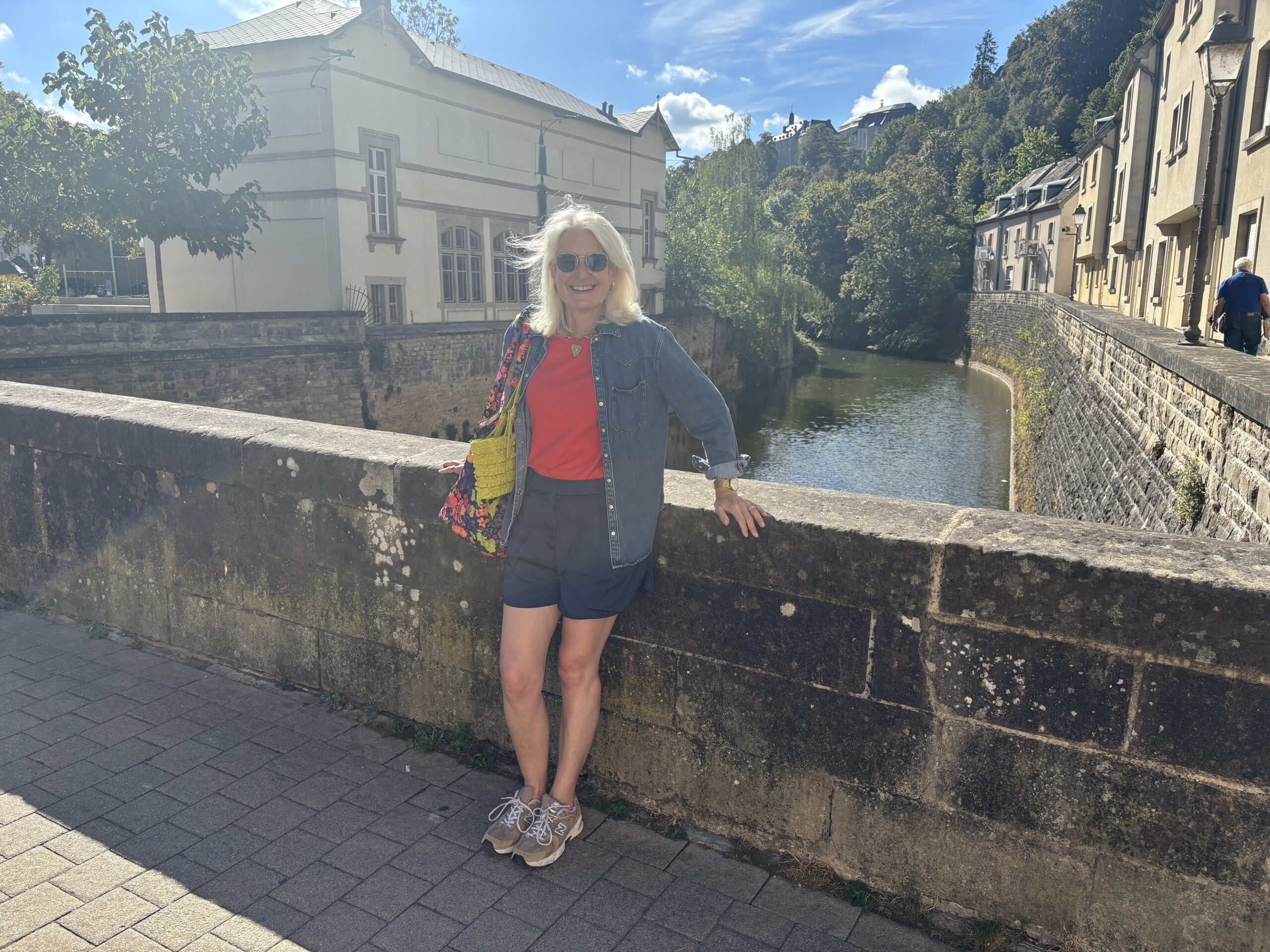
What does ageing well mean to you? Do you have a definition of the physical, mental and cognitive health you desire as you get older? If you do, please let us know.
It’s all very well thinking ‘I’d like to be sound of mind and body’, but harder to define what that actually is. Personally, I accept that I’m not going to feel like I did when I was 21. But I don’t have clear sense of ‘I’d like to be able to do 20 press ups when I’m 65’. To be honest, I can’t do more than two now, and I turn 60 in 10 days. Perhaps it’s that approaching milestone that’s caused me to turn my mind to how I’d like to feel going forward.
Intrinsic capacity
The World Health Organisation has been working on a definition of healthy ageing for over a decade. In 2015 they introduced the conception of ‘intrinsic capacity’. Dr John Beard, the Columbia professor who helped develop the idea, explains it like this: ‘Intrinsic’ means all those attributes that you can attribute to the individual from the skin in. And ‘capacity’ is looking at their functioning.’
This metric scores performance in subdomains: cognition, locomotion (strength and mobility), sensory capacity – vision and hearing, psychological well-being and vitality (overall energy levels and resilience to physical stressors).
These are some of the tests used:
| Cognition | Recalling three words or orientation in time/space. |
| Locomotion | The chair rise test (rising from a chair five times without using arms). |
| Vitality | Screening for unintended weight loss or sharp appetite reduction. |
| Vision | Subjective reporting of new or worsening eye/sight trouble. |
| Hearing | Failing a whispered voice test or self-reported hearing issues. |
| Psychological | Assessment of depressive symptoms or feeling down/hopeless. |
Many of these aren’t new. But together, all these tests form part of WHO’s aim to move doctors and scientists away from focusing on disease and toward maximising and maintaining our functional abilities. Which can only be a good thing.
The real value of understanding intrinsic capacity comes when it can be used to track people over time. The idea being that, if decline in capacity is spotted early, health can be supported where needed. Research programmes are currently underway in France and New Mexico to apply this in the real world with a public health tool called ICOPE (Integrated Care for Older People – makes a very good acronym). Let’s hope the practice continues to spread.
Consistency
A practice that’s become more defined for me with age is building regular habits – like morning walks and clear bedtimes. So I was pleased to read recent research that indicates consistent routines support healthy ageing.
A team from Baltimore found that people with more regular daily patterns of activity and, crucially, rest – aged slower biologically. The researchers tracked the activity of people with an average age of 68, just for a week, with a wrist-worn device that measured when they were active and when they rested. The result? The clearer the difference between daytime activity and nighttime rest, the more ‘youthful’ the age scores.
The difference lies in the circadian rhythms that regulate sleep, wakefulness activity, hormones and so much more. As we age, these internal clocks can get out of whack. Keeping a regular schedule in our day-to-day lives can help strengthen them. Of particular interest to me, as a brain health coach, was a finding by the same research team that linked more fragmented, irregular rest-activity rhythms to brain shrinkage in older adults. All the more reason to stick to that regular morning walk and evening bedtime as the nights draw in!
Autumn recipes
It’s definitely feeling a little more autumnal here in London, after an incredibly hot summer. So it’s worth revisiting a few favourite seasonal recipes from the archive:
The original ‘Kale & Cocoa’ crumble Don’t worry, the crumble doesn’t actually contain kale, or cocoa. But that’s what this blog was called when we started 12+ years ago! Salutations to all who remember those days 🙂
Susan


Leave a Reply