The Age-Well Project

Change the way you age

Get our posts direct to your inbox

Search

  • About The Age-Well Project
  • Books
    • Our Books
    • Reviews
    • References
  • Blog
  • Recipes
    • Recipes By Ingredient
    • Breakfast
    • Dessert
    • Dinner
    • Drinks
    • Family
    • On The Go
    • Soups and Salads
    • Treats and Snacks
  • Contact
  • Events
  • Press

WHY YOU NEED MORE SPERMIDINE … AND WHY WE STILL LOVE CHEESE

November 3, 2017 12 Comments

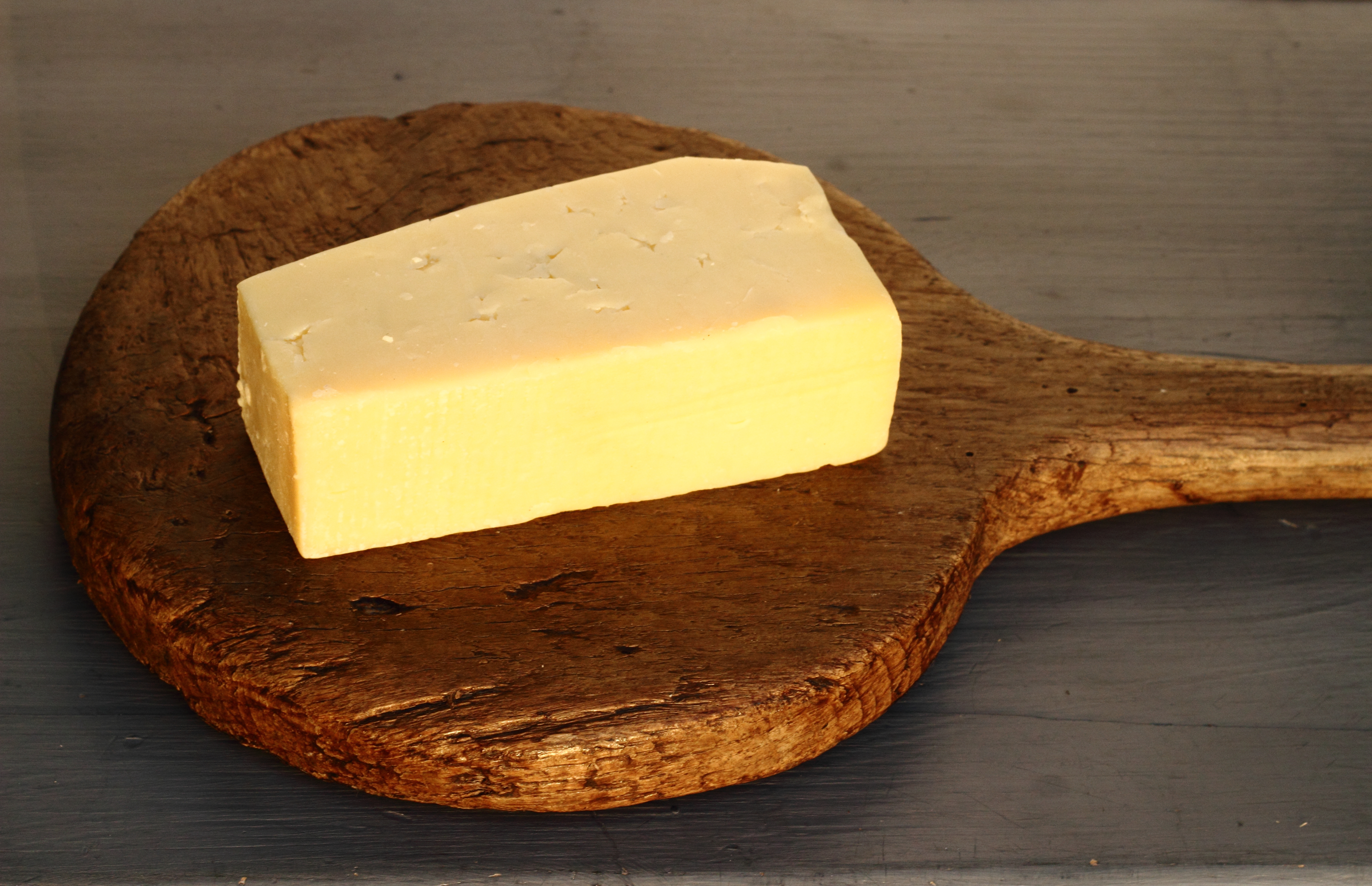
cheddar cheese landscape

Yes, you read that correctly. No, it’s not exactly what you’re thinking. Spermidine is a polyamine that was first found in human semen but has since been found in almost all human tissue. We wrote about polyamines two years ago, in a post that has become one of our most frequently read. It’s worth reading our polyamine post first if you need a refresher.

Now, more research has revealed the potential power of one specific polyamine – Spermidine.

So far, studies into Spermidine have only been conducted on animals. The latest research found that animals fed Spermidine supplements were less likely to get liver fibrosis and cancerous liver tumours, even when predisposed to those conditions.

But more significantly, the animals fed extra Spermidine improved their longevity – massively.

“It’s a dramatic increase … as much as 25 percent,” said Leyuan Liu, assistant professor at the Texas A&M Institute of Biosciences. “In human terms, that would mean instead of living to about 81 years old, the average American could live to be over 100.”

Liu points out that only three interventions have had this sort of proven impact on longevity – restricting calories (read our post on calorie restriction here), avoiding meat (we’re both omnivores but we’ve written about meat restriction here) and a drug called Rapamycin. Although he stresses that clinical trials on humans are needed, the great thing about Spermidine is its ready availability in numerous delicious foods (including cheese!). You can read more about Liu’s research at www.sciencedaily.com/releases/2017/04/170421091816.htm

The top Spermidine-rich foods (many of which feature regularly in our recipes) include:

  • Soybeans
  • Miso
  • Mushrooms
  • Peas
  • Lentils
  • Pears
  • Broccoli
  • Wheatgerm
  • Cauliflower
  • Leafy greens
  • Potatoes
  • Aged cheese (this means cheese cured in a controlled environment for six months, such as cheddar, brie, parmesan, gruyere and manchego.)

After Dr Sherzai & Sherzai included cheese in their ‘Do Not Eat’ list of foods for preventing Alzheimer’s (read our post here), I was rather pleased to see Liu inadvertently giving cheese a thumbs up. We’ve written about cheese before and given that the cheese-loving Swiss and the Manchego-munching Spanish have the highest longevity rates in Europe, I’m not convinced cheese is a danger to our health.

If you’re still unsure, consider these reports:

  • A 2016 study from the University of Copenhagen found that regular consumption of cheese boosted levels of “good” high-density lipoprotein (HDL) cholesterol, believed to protect against cardiovascular and metabolic diseases.
  • The University of Bergen found a diet rich in dairy fats could help protect from heart disease
  • A study by John Hopkins University concluded that eating cheese was more effective than taking calcium supplements.
  • Meanwhile, research from the American Chemical Society found cheese to be perfect fodder for increasing gut microbiota
  • Finally, my all-time favourite cheese, Roquefort, has been found to be anti-inflammatory. Enough good reasons to stick with cheese, we think. But in moderation and not that slimy processed stuff, please.

Look out for next week’s simple but Spermidine-rich recipe.

Annabel

PS. We have very exciting news and a fabulous prize coming next week. Watch this space…

  • Conditions: Ageing, Bones, Cancer, general, Inflammation
« BEST-EVER GRANOLA BARS
PEAS & BEANS WITH LEMON & PINK PEPPERCORNS »

Comments

  1. Dawn Hitchen says

    November 3, 2017 at 10:13 am

    I JUST LOVE YOUR KALE & COCOA WEBSITE with its regular POSTINGS …AND DELICIOUS, HEALTHY RECIPES!!!
    I’m spreading the news about your fabulous and clear health information wherever I can!!

    Reply
    • Annabel Abbs says

      November 3, 2017 at 10:47 am

      Thanks, Dawn. That’s very much appreciated!

      Reply
  2. Emma says

    November 3, 2017 at 10:25 am

    Loved this post. Have you read The Diet Myth by Tim Spector? If not, I heartily recommend. In it he says the reason the French have a third less deaths from heart disease a year than the Brits is down to the microbes on their super aged, often unpasteurised (and insanely delicious) cheese. Apparently the rind is an extra rich source of good bacteria. Definitely a reason to eat more (good) cheese!

    Emma Bardwell @eightypercentclean

    Reply
    • Annabel Abbs says

      November 3, 2017 at 10:46 am

      Thanks for your comment, Emma. Yes, I’ve been reading a lot about the so-called ‘French paradox’ and I love Tim’s work. I’ll write about his views on rind as I haven’t covered that yet. I can’t help wondering if the American health aversion is because they’re thinking of Kraft cheese strings (!?). Bring back real cheese, I say…

      Reply
      • Emma says

        November 3, 2017 at 10:51 am

        I’m actually flabbergasted they’re allowed to call it cheese. It’s sacrelige!

        Reply
        • Emma says

          November 3, 2017 at 10:51 am

          Or even sacrilege…!

          Reply
          • Annabel Abbs says

            November 6, 2017 at 12:01 pm

            Indeed, I’m told its other name is ‘edible plastic’!

  3. Gaynor says

    November 3, 2017 at 11:33 am

    Another wonderful post, since I just love cheese. I must admit when I read an earlier post suggesting that to prevent Alzheimer’s we should cut out cheese, I was disappointed, but thought that I would take a chance and eat it anyway.
    I am currently in Asia, but will return to spend some time in Australia later and the current bestseller there is a book by Maggie Beer called “Recipes for Life” which she wrote in collaboration with Professor Ralph Martins from Macquarie University in Sydney. Ralph Martins is researching into ways of preventing Alzheimer’s. Anyway, the point is that Maggie’s recipes do not preclude cheese.
    Maggie has “written” a new food pyramid, but the bottom layer is not even a food, but is physical exercise, social interaction and brain work.
    Looking forward to a cheesy recipe next week.

    Reply
    • Annabel Abbs says

      November 6, 2017 at 12:00 pm

      Thanks, Gaynor. Recipes for Life sounds great – I am going to see if it’s in the UK right now. The new food pyramid is correct, according to everything I’m reading. I recently read a book that suggested social interaction is the number one preventative. So thanks for the interaction! Enjoy Asia – lucky you…

      Reply

Trackbacks

  1. HOW TO EAT RIGHT FOR YOUR GENES - AND A FREE WEBINAR - The Age-Well Project says:
    March 23, 2022 at 8:06 pm

    […] soft curd cheese or a hard probiotic-rich cheddar, you can read why we like these types of cheese here) or butter and cream. Indeed, cow’s milk was deemed unsuitable for drinking and goats’ milk was […]

    Reply
  2. Miscellaneous Links #47 – MetaDevo says:
    March 2, 2025 at 8:03 am

    […] WHY YOU NEED MORE SPERMIDINE … AND WHY WE STILL LOVE CHEESE […]

    Reply
  3. Miscellaneous Links #47 – The Latest World News says:
    October 28, 2025 at 7:35 am

    […] WHY YOU NEED MORE SPERMIDINE … AND WHY WE STILL LOVE CHEESE […]

    Reply

Leave a Reply Cancel reply

Your email address will not be published. Required fields are marked *

This site uses Akismet to reduce spam. Learn how your comment data is processed.

  • Email
  • Facebook
  • Instagram
  • Twitter

Welcome to The Age-Well Project

Welcome to The Age-Well Project!
Here you’ll find easy changes for a longer, happier life. We’ve immersed ourselves in the science of longevity and distilled the research to make it work in our everyday lives. You can change the way you age: here’s how.

The Age Well Project Book
The Age Well Project Plan
Windswept why women walk
52 ways to walk
the power decade
sleepless
the walking cure

Favourite Posts

WHY I’VE THROWN OUT ALL MY BEAUTY PRODUCTS (nearly…)

Why Alzheimer’s Is A Women’s Issue

HOW HAVING A DOG CHANGED MY LIFE

GREEN SPACE IS GOOD FOR YOUR HEALTH

SUGAR, CHOCOLATE, SADNESS AND BRAIN-BOOSTING BISCUITS

WHY ‘INFLAMM-AGEING’ COULD START IN THE GUT AND HARISSA-ROASTED VEGETABLE SALAD

POLYAMINES – THE NEW SECRET WEAPON FOR AGEING WELL & MOROCCAN SPINACH AND CHICKPEAS.

THINNING AGEING HAIR – WARM CHICKEN LIVER SALAD

About The Age Well Project

This site is for anyone who wants to make the second half of their life as healthy, happy and disease-free as possible. Sign up to get the latest research on ageing – and delicious recipes to match – direct to your inbox.

agewellproject

⭐️Change the way you age
📚The Age-Well Project + Age-Well Plan ⭐️Get tips & recipes on our blog - sign up ⬇️

A really fun evening @putneywaterstones talking ab A really fun evening @putneywaterstones talking about Annabel’s book The Walking Cure and all things Age Well! 💚
We’ve always been a little wary of brain training We’ve always been a little wary of brain training exercises. There’s certainly plenty of them out there. They’re well researched, but the ultimate conclusion is often that they make you really good at playing that particular game with no substantial real-world benefits.
We’d usually rather read a book, play a board game or do a puzzle for a little cognitive sharpening. 

But new research linked specific cognitive training designed to improve speed of processing to a 25% lower risk of developing dementia across 20 years, compared to the control group. 

There’s more on the blog - link in stories and agewellproject.com 

#longevityblog #womeonover50 #braintraining
You’ll have heard that sitting is the new smoking, You’ll have heard that sitting is the new smoking, our sedentary lifestyles are killing us etc etc 

But is all sitting equally bad? it appears not. ‘Active sitting’ - where we’re engaged in a brain-healthy activity like reading or playing stimulating games, doesn’t have the same detrimental impact as slumping in front of the TV. 

It’s what we do when we’re sitting that counts. 

There’s more on the blog - linked in stories 

 #longevityblog #womenover50 #agewell
It is - finally - starting to get a little lighter It is - finally - starting to get a little lighter in the UK. 

But our lives are still full of artificial light, causing our body clocks to drift. The end result? Circadian disruption linked to higher risk of metabolic syndrome, cardiovascular disease, depression, and cognitive decline.

That light-dark imbalance also results in worse sleep and therefore also potentially poorer glymphatic clearance (the brain’s overnight clean up).

But there’s so much we can do to bring light into our lives - at any time of year.

There’s more on the blog - link in stories and agewellproject.com 

And are you enjoying the lighter mornings?! 

#longevityblog #womeonover50 #agewell
Some of our favourite activities - reading books, Some of our favourite activities - reading books, drinking tea, eating cheese (yes, we know how to live!) - have been linked to a longer, better life. 

A new study suggests that cheese  can lower our dementia risk – although no one is quite sure how or why. This new study found that eating 50 grams (1.76 ounces) or more of high-fat cheese a day correlated with a lower risk of developing dementia.

A recent summary  of previous studies which concluded that regular reading improved brain connectivity and function, consolidating neural connections and enhancing brain connectivity, while also improving memory and concentration and slowing down cognitive decline.

And a study published just before Christmas found that tea-drinking protects against osteoporosis.

All good things! There’s more on the blog - linked in stories 

#longevityblog #agewell #womenover50
Follow on Instagram

Contact Us

For any enquiries please email theagewellproject@gmail.com.

Copyright © 2026 The Age-Well Project