The Age-Well Project

Change the way you age

Get our posts direct to your inbox

Search

  • About The Age-Well Project
  • Books
    • Our Books
    • Reviews
    • References
  • Blog
  • Recipes
    • Recipes By Ingredient
    • Breakfast
    • Dessert
    • Dinner
    • Drinks
    • Family
    • On The Go
    • Soups and Salads
    • Treats and Snacks
  • Contact
  • Events
  • Press

WOULD YOU GIVE UP CARBS FOR A HEALTHY OLD AGE? AND MASSAGED KALE SALAD

September 15, 2017 4 Comments

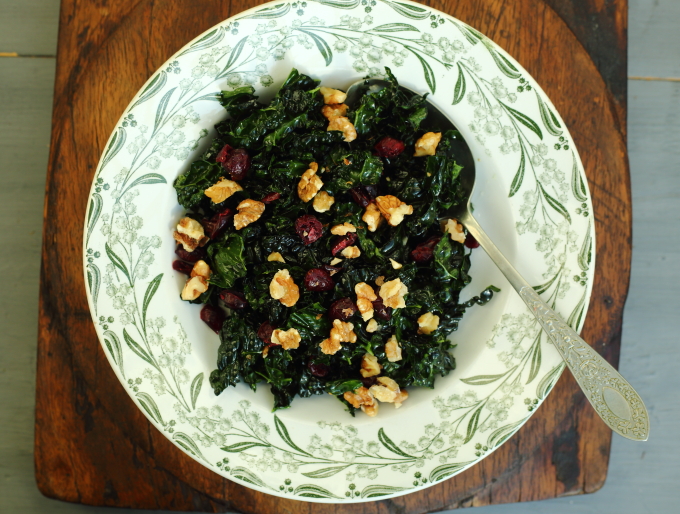
susans kale salad copy

Where do you fall on the carb-spectrum? Can’t get enough of them, haven’t touched one since 1994 or somewhere inbetween? Annabel and I definitely love carbs, but – since starting our Age Well journey – they’ve been wholegrain ones rather than refined. We’ve read well-researched report after well-researched report telling us that wholegrain carbohydrate will fuel us into a healthy old age. And we’ve frequently blogged about our mission to minimise our intake processed carbs.

But there is a school of thought that all carbs – wholegrain or not – send our brains and bodies on a roller coaster of fluctuating blood sugar levels and insulin spikes which could lead to the inflammation that can cause an unhealthy old age. And there’s more research being published which appears to support this. Last week two new studies were published simultaneously in the journal Cell Metabolism which indicate that extremely low-carb diets may have the power to improve memory in old age and increase lifespan.

Both studies tested the “keto” (ketogenic) diet on mice. This diet is extremely low in carbohydrate but high in fat and includes plenty of protein – the Atkins Diet was the first keto-based diet to go mainstream, the Fast-mimicking Diet we wrote about recently is another form. These diets work by allowing your body to use up its store of sugar so it has to run off stored fat: a process known as ketosis.

But back to the mice. Both of the recently published studies found better memory and increased life expectancy among older mice who were put on a ketogenic diet. In fact, the oldies who were ‘ketoing’ had better memories than younger mice. “The older mice on the ketogenic diet had a better memory than the younger mice. That’s really remarkable,” says the leader of the project at the Buck Institute for Research on Aging in California, Dr Eric Verdin. The research team believe this may be down to the fact that the diet can raise the concentration of a ketone made in the liver called beta-hydroxybutyrate acid, which improves memory function.

The second research team – also in California, but this time at UC Davis – had similar findings in terms of memory but also found that the keto mice were stronger and more coordinated that the control group.

As someone who has cared for a relative with dementia, and who would do almost anything to reduce my own risk of developing the disease, I’m not sure whether I find this kind of research reassuring or not. It’s great that such giant strides are being made in our understanding of ageing and memory loss. But, at the same time, do I actually want to live my life without the delicious – carb-laden – foods I love? I’m not sure I have an answer for that just yet!

This week’s recipe is endlessly adaptable for low-carbers and grain-lovers alike. Serve with grilled protein (but leave out the cranberries or sun-dried tomatoes) for a keto-ish meal, stir through some cooked grains for a comfortingly carby vegan supper.

Massaged Kale Salad (serves 4 as a side dish)

  • 200g bag chopped kale or cavalo nero (Annabel used cavalo nero for the photo)
  • Scant teaspoon of sea salt flakes or 1/2 teaspoon table salt
  • 1 tbs olive oil
  • Juice of half a lemon
  • 2tbs/30g dried cranberries or chopped sun-dried tomatoes
  • 30g walnuts, crumbled

Put the kale in a large bowl, add the salt and oil. Remove any large stalks. Stick your (clean) hands into the bowl and massage the kale. Sounds weird but within two-three minutes the kale will wilt. It’s quite therapeutic. Stir in the lemon juice, cranberries/tomatoes and walnuts. Leave to sit for a few minutes – half an hour if you can – and serve.

Susan


  • Meal Types: Dinner
  • Conditions: Ageing, Brain and Dementia
« HOW TO AVOID RHEUMATOID ARTHRITIS – SPAGHETTI WITH SARDINES
GET THEE TO A FOREST (ON FOOT) AND HERBY COURGETTE/ZUCCHINI SOUP »

Comments

  1. Saskia says

    September 15, 2017 at 5:11 pm

    I can’t imagine a life without carbs

    Reply
    • Susan Saunders says

      September 16, 2017 at 4:54 pm

      I know, Saskia, I can’t either!

      Reply
  2. Kellie@foodtoglow says

    September 18, 2017 at 3:30 am

    Great post. I’ve been flirting with keto for a bit, having also read the research and wanting especially to protect my husband as dementia runs strongly in his family (both paternal grandparents AND his father, now in mid-stage). But my goodness, it’s hard to live a normal, sociable life. What I’m doing, and hoping it in some way helps, is not getting into ketosis but having one or two completely carb free days a week. (I’m not great with going high fat as it makes me very queasy.). I also have been eating in an 8 hour window for most days, the latter being remarkably easy to do. If we lived in lab conditions, keto would be a snap!

    Reply
    • Susan Saunders says

      September 18, 2017 at 9:12 am

      You’re so right Kellie! We don’t live in lab conditions so many of these diets are hard to do. That’s part of the reason we started Kale & Cocoa, to find way through all the advice. And to find a way to protect ourselves and our loved ones. Carb ‘cycling’ is a great way to go, as is 16-hour-fasting. Good luck!

      Reply

Leave a Reply Cancel reply

Your email address will not be published. Required fields are marked *

This site uses Akismet to reduce spam. Learn how your comment data is processed.

  • Email
  • Facebook
  • Instagram
  • Twitter

Welcome to The Age-Well Project

Welcome to The Age-Well Project!
Here you’ll find easy changes for a longer, happier life. We’ve immersed ourselves in the science of longevity and distilled the research to make it work in our everyday lives. You can change the way you age: here’s how.

The Age Well Project Book
The Age Well Project Plan
Windswept why women walk
52 ways to walk
the power decade
sleepless
the walking cure

Favourite Posts

WHY I’VE THROWN OUT ALL MY BEAUTY PRODUCTS (nearly…)

Why Alzheimer’s Is A Women’s Issue

HOW HAVING A DOG CHANGED MY LIFE

GREEN SPACE IS GOOD FOR YOUR HEALTH

SUGAR, CHOCOLATE, SADNESS AND BRAIN-BOOSTING BISCUITS

WHY ‘INFLAMM-AGEING’ COULD START IN THE GUT AND HARISSA-ROASTED VEGETABLE SALAD

POLYAMINES – THE NEW SECRET WEAPON FOR AGEING WELL & MOROCCAN SPINACH AND CHICKPEAS.

THINNING AGEING HAIR – WARM CHICKEN LIVER SALAD

About The Age Well Project

This site is for anyone who wants to make the second half of their life as healthy, happy and disease-free as possible. Sign up to get the latest research on ageing – and delicious recipes to match – direct to your inbox.

agewellproject

⭐️Change the way you age
📚The Age-Well Project + Age-Well Plan ⭐️Get tips & recipes on our blog - sign up ⬇️

And a belated ‘merry everything’ from us! We hope And a belated ‘merry everything’ from us! We hope you had a marvellous Christmas, and 2026 will be a year of ageing well. There’s a new post on the blog about - among other things - art, peanuts and Dick Van Dyke. Lots of thoughts on longevity for these last days of the year. Linked in stories and on agewellproject.com
How much should we worry about digital dementia? How much should we worry about digital dementia? 

The term isn’t new. It was coined by German neuroscientist and psychiatrist Dr. Manfred Spitzer in 2012.

He argues that outsourcing memory to search engines, the constant ‘pings’ of notifications, and multitasking, can weaken memory consolidation and reduce attention. He also suggests this can lead to a decreased ability for deep thought, reduced self-control, and  social issues.

How can we protect the brain? Research published a few weeks ago found engaging in creative pursuits, like dance, music or visual arts, is associated with a measurable slowing of brain ageing. You’ll have heard this before, but what’s interesting in this study is that the research team looked at how this might happen.

There’s more on the blog agewellproject.com and linked in stories

#agewell #longevityblog #womenover50 #womenover60 #dementia
Annabel’s just spent a month working and walking i Annabel’s just spent a month working and walking in the Swiss Alps. So that meant a lot of time climbing a lot of mountains! 

Unsurprisingly, she found herself drawn to the latest studies of movement. She wanted to know what all the uphill huff and puff was really doing, not to mention the downhill drag on knees and limbs, and the slipping and sliding through mud and snow. 

It’s all on the blog - agewellproject.com and linked in stories 

#agewell #longevityblog #womenwhowalk
We’ve been very remiss about telling you that ther We’ve been very remiss about telling you that there are some fascinating new posts on the blog - from the quest for immortality to the power of yoghurt to help us age well. 

And from profound questions about who gets access to the cutting edge longevity technology to the secrets of the world’s longest lived woman, we’ve been trawling the latest research on ageing well, so you don’t have to.

Find us, as always, at agewellproject.com whenever you want a deep-dive into what’s really going to make a difference to your longevity

#longevity #agewell #ageingwell #agingwell #womenover50 #over50andfit #womenover60 #postmenopause #postmenopausalwomen #healthblog #longevityblog
The latest research into omega-3 fatty acids, supp The latest research into omega-3 fatty acids, supplements and joy 🥳all on the blog now 

Find it, as always, agewellproject.com or at the link in bio 

#longevity #agewell #ageingwell #agingwell #womenover50 #over50andfit #womenover60 #postmenopause #postmenopausalwomen #healthblog #longevityblog
Follow on Instagram

Contact Us

For any enquiries please email theagewellproject@gmail.com.

Copyright © 2026 The Age-Well Project